


Is Your Child Ready for an International Kindergarten?
Submitted by admin_hum on Tue, 03/31/2026 - 09:52
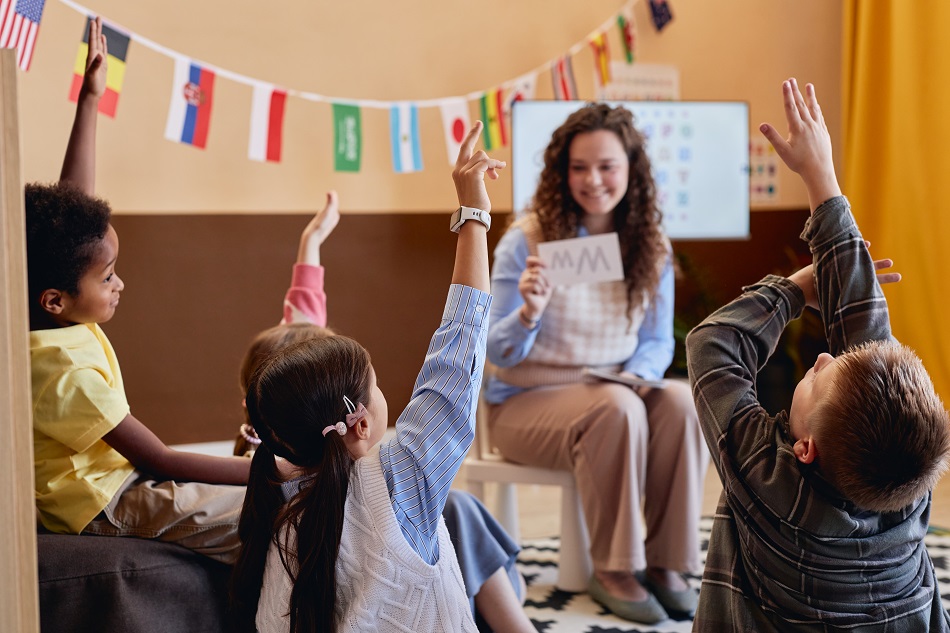
A crucial milestone for modern parents is knowing when to send a child to an International Kindergarten. In addition to chronological age, preparedness for this unique learning environment entails a repertoire of emotional maturity, social curiosity and physical self-sufficiency. International Kindergarten is usually play and inquiry based, very different from the traditional systems, so it can be vital to determine whether a child will thrive in an International Kindy or not.
Social and emotional independence
A major marker for readiness to enter an International Kindergarten is the ability to handle separation from primary caregivers. Some anxiety is normal, but a child who will be able to play with peers and listen to the guided directions of a new teacher has some of the emotional tools necessary. At an international Kindergarten where many children speak different languages, we emphasise working together and sharing so even playing parallel to each other is a good sign of social interest at this stage.
Communication and language exposure
International kindergartens do not require children to be fluent in English, but a basic ability to express needs is useful. And this can be done through basic words or gestures, such as expressing hunger, thirst, or the need to use the restroom (this will make it easier for you! Because most International Kindergarten programs are set up for language immersion, they’re revolutionary at boosting their non-native speakers through the use of visual aids and interactivity.
Self-care and physical milestones
Whilst most of the International Kindergartens require toilet training, some early years programs will assist in this process. Basic self-help skills — such as putting on shoes, washing hands or feeding oneself during snack time — cultivate a sense of autonomy. A child who can sit himself/herself up, crawl and use his/her body in an interesting way is better able to work on the more creative/cognitive tasks presented in the classroom instead of struggling with basic physical movement.
Curiosity and the inquiry-based mindset
A good International Kindergarten focuses on the child’s learning interests, usually within frameworks such as the IB Primary Years Programme (PYP) or Reggio Emilia. If the child continues to questions like "why" or trying to see the environment, he would very probably be ready for an International Kindergarten which provides lots of stimulation in a spread-out space. This instinctive attitude is the engine that propels learning-led child-break as a signature of international education.
The importance of a consistent routine
A child who can maintain a daily structured rhythm is well set up to be “school ready”. Children who are used to a schedule at home with meals and naps will be more willing to adapt the routine of International Kindergarten. Through this predictability, everything is taken for granted that creates a sense of safety in the child to take risks with both learning and social interaction.
Making the final decision
After all, everyone is different and each child grows at their own pace. During school hours, visit an International Kindergarten and see if the surroundings seem like a good fit for your kid's present personality. Watching how teachers and students interact can offer parents insight on whether a school’s philosophy matches their family values, as well as the unique needs of their child.